While many of us spend hours researching the latest trends in skincare and facial treatments on our favorite beauty pages, we often neglect the
one area that carries us all day: our feet. They walk us through every errand,
every workout, every long shift at work. Yet most of us give them little more
than a quick scrub in the shower and a coat of polish before sandal season.
That is starting to change.
A growing number of people are trading the standard nail
salon experience for something called a medical pedicure, also known as a
medi-pedi. It is not just a beauty upgrade. It is a shift in how we think about
foot care altogether.
What Is a Medical Pedicure?
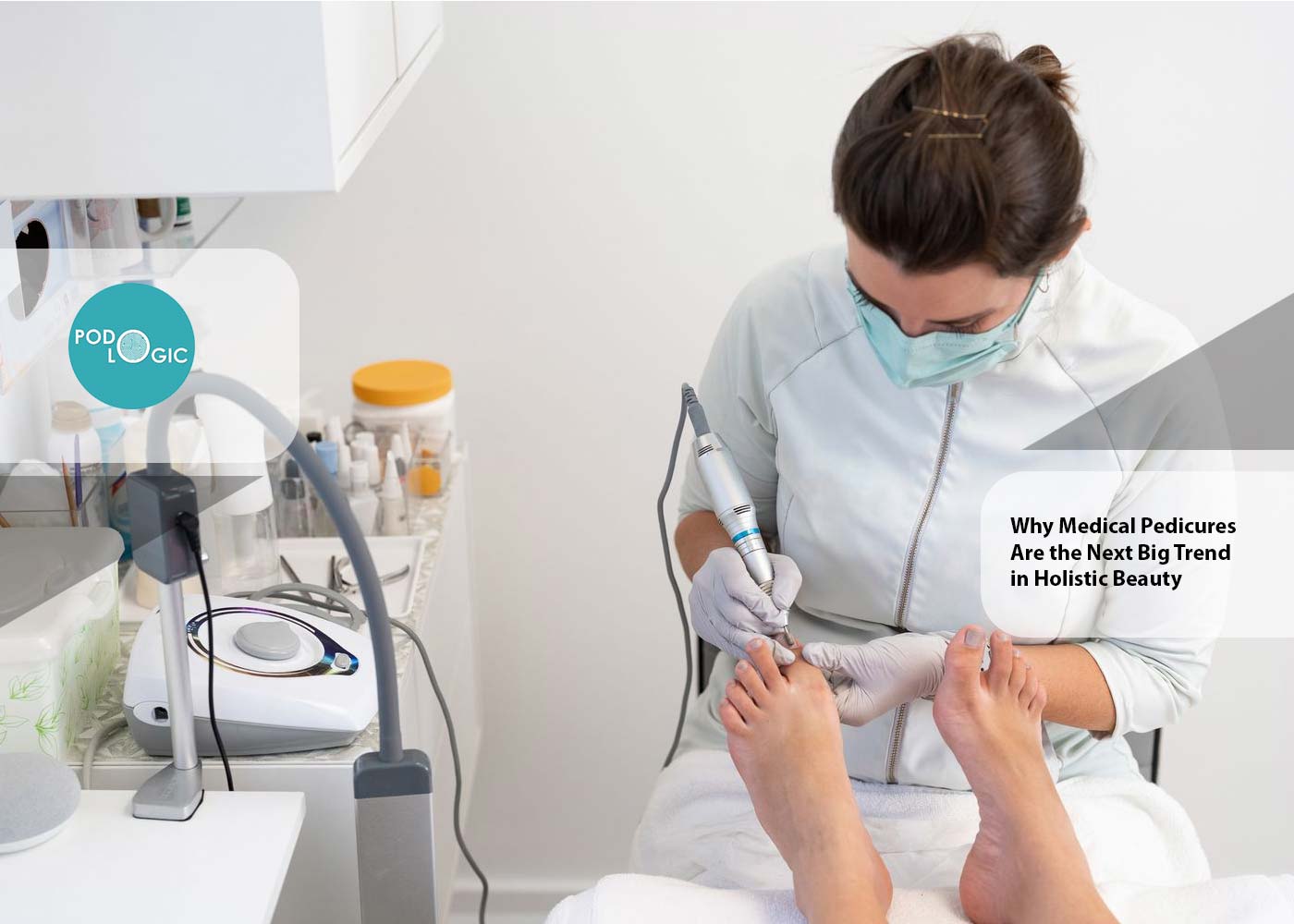
A medical pedicure is a foot care service performed by a
healthcare professional, often a podiatrist or a certified medical nail
technician. Unlike regular salon pedicures that focus mainly on looks, medical
pedicures address both cosmetic concerns and the health of your feet.
The process starts with an assessment. A typical pedicure
may temporarily address a few surface foot problems, but a medical pedicure
begins with assessing foot health and identifying treatment strategies for
current issues. That means a trained professional looks at your nails, skin,
and overall foot structure before touching a single tool.
Medical pedicures are also waterless. Foot soaks can be a
source of bacteria that cause infections if there are any breaks in the skin.
Instead, dry techniques are used, which keeps things clean and precise.
Why Polish Is Not the Answer
Here is the honest truth: paint covers problems. A thick
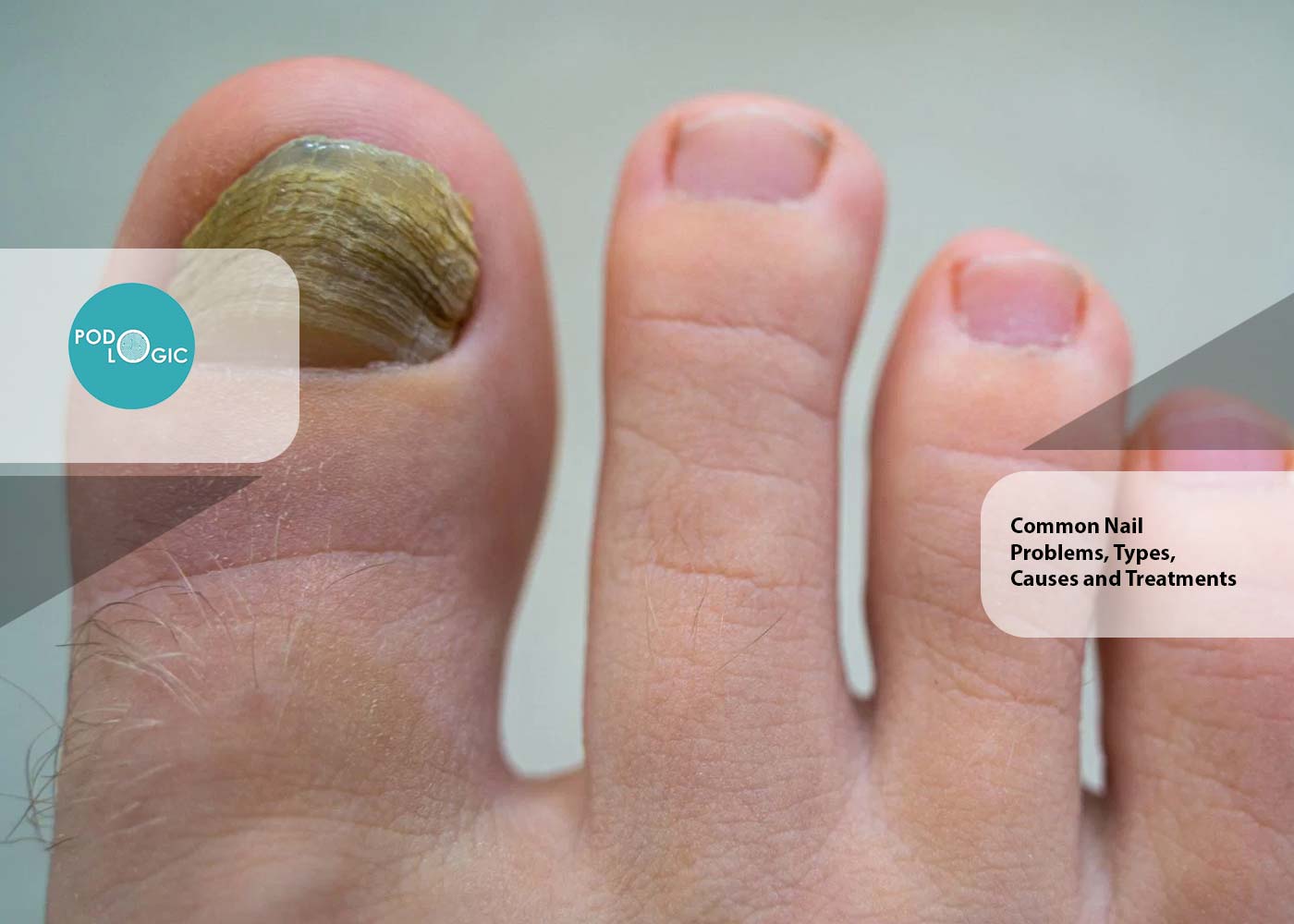
coat of red polish can hide a nail that is discolored, thickened, or showing
early signs of a fungal infection. Cracked heels get hidden under moisturizer
and ignored until they split open and hurt. Calluses get scraped down at the
salon, only to come back harder a few weeks later.
Real foot health looks different. Pedicures are becoming
more about skin health than just polish. Advanced techniques like dry hardware
pedicures instead of soaking, precise callus removal, and targeted treatments
for dry or cracked skin are becoming the new standard.
This is the same logic that changed how we think about skin
care on our faces. A decade ago, most people covered breakouts with foundation
and called it a day. Now, people build routines around cleansing, treating, and
protecting the skin barrier. Foot care is heading in the same direction.
What Medical Pedicures Actually Treat
Medical pedicures address and help prevent issues such as
corns, calluses, cracked heels, and fungal infections. They also treat ingrown
toenails and thickened nails, two issues that are incredibly common but rarely
talked about in beauty spaces.
Certified medical pedicurists have specialized knowledge of
foot anatomy, common ailments such as fungal infections and ingrown toenails,
and the proper use of sterile instruments. This is not the same as a nail
technician who has completed a weekend course. These are professionals who understand
what is happening beneath the surface of the skin.
For people with diabetes, this level of care is especially
important. If you are living with diabetes, reduced circulation, or autoimmune
disorders, you may benefit from the extra care and safety that comes with a
clinical approach. But you do not need a medical condition to benefit. Anyone
who deals with thick skin buildup, recurring calluses, or nail changes can see
real results.
The Hygiene Factor
One concern that rarely gets discussed about regular
pedicures is hygiene. Shared foot baths are hard to fully clean between
clients, and non-sterile tools are a real risk. Unlike salon pedicures, medical
pedicures avoid using cosmetic polishes or shared footbaths, which can harbor
bacteria. Every tool used is either disposable or sterilized according to
strict medical standards.
That matters. Nail fungus and bacterial infections are far
more common than most people think, and they often start at the salon.
Beauty That Starts From the Ground Up
Foot care is no longer an afterthought. It has become a
non-negotiable part of today's self-care, where wellness, skin care, and beauty
meet. The medical pedicure sits right at that crossing point.
Think of it this way: healthy feet are the foundation of how
your nails and skin look. A well-shaped nail growing from a healthy nail bed
looks better than any gel overlay on a damaged one. Smooth skin that has been
treated properly stays soft longer than skin that gets scraped raw and grows
back rough.
Different salons may have their own names for skin-focused
pedicures, so it is important to be clear about what you want. Look for terms
like "medical-style pedicure," "dry pedicure," or
"Russian pedicure" to make sure you are getting more than a standard
pedi. Ask specifically for detailed cuticle work, callus care, and deep
hydration treatments rather than focusing only on polish application.
Who Should Try One?
The short answer is almost everyone. Medical pedicures are
also a good choice for older adults, athletes, people who spend a lot of time
on their feet, or anyone who values a high level of cleanliness and precision
in their foot care routine.
If you have never had one, start by booking a session with a
podiatry clinic or a certified medical pedicurist. Come with questions. Ask
about what they see, what they recommend, and how to care for your feet between
visits. Good foot care, like good skin care, is built on consistency.
The Bottom Line
Beauty has always been tied to health at its best. We now
know that glowing skin comes from what we eat and how we sleep, not just what
we put on our face. The same idea applies to our feet. True foot care starts
with treating what is there: thick skin, nail problems, alignment issues, and
chronic dryness. Polish is the finishing touch, not the fix.
Medical pedicures are not a luxury for people with foot
problems. They are a smarter way to care for a part of your body that works
hard every single day. Your feet carry you. It is time to take that seriously.
Professional Foot & Nail Care in Dubai and Abu Dhabi
Book cosmetic podology care in a clean, private and relaxing salon environment.