By Thursday afternoon, the heels start to ache, the
under-eyes look tired, and the calendar shows three more meetings before
dinner. Busy professionals do not always have time for long appointments, but
they often need them more than anyone. The good news is that both podiatry and
aesthetic medicine have shifted toward shorter, lower-downtime treatments that
fit between work blocks rather than taking over a Saturday.
This guide covers what actually works, what to skip if you
are short on time, and how to combine treatments without burning a full week of
recovery.
Why Feet and Face Tend to Suffer First
Long hours in dress shoes, standing during conferences, and
walking across airports take a toll on feet that most people ignore until
something hurts. Stress, poor sleep, screen time, and skipped meals show up on
the face in the form of dullness, breakouts, and faint lines that did not used
to be there.
Treating both areas at the same time makes sense. A morning
podiatry visit and an afternoon aesthetic appointment can fit into a single
half-day off, and the recovery windows often overlap.
Podiatry Treatments worth the Time
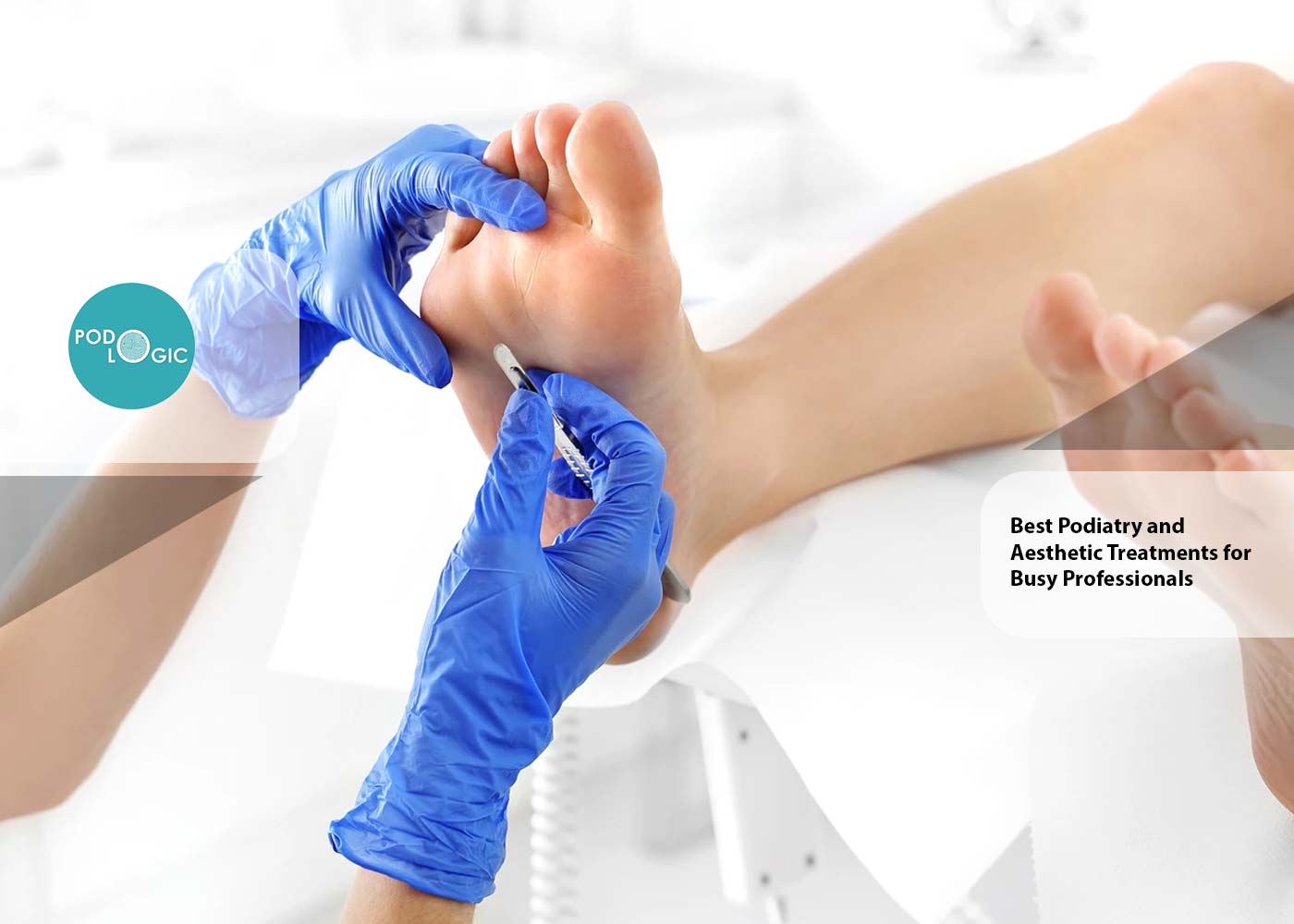
A medical pedicure, sometimes called a medi-pedi, is the
foundation. A podiatrist or trained foot care nurse trims nails properly,
treats ingrown corners, removes hard skin, and checks for early signs of fungal
infection or pressure sores. The visit takes about 45 minutes and you walk out
in your shoes. Once or twice a year is enough for most people.
Custom orthotics matter more than the price tag suggests. If
you spend long hours on your feet or run after work, a proper gait assessment
and custom insoles can prevent heel pain, shin splints, and lower back issues.
The fitting takes one session, and the orthotics last a few years.
Shockwave therapy treats stubborn problems such as plantar
fasciitis, the sharp heel pain that hits with the first steps in the morning. A
handheld device sends pulses into the affected tissue. Each session takes 15 to
20 minutes, and most people need three to six sessions a week or two apart.
There is no downtime, so you can book it on a lunch break.
Laser treatment for nail fungus is worth knowing about. Oral
antifungal pills work but take months and can affect the liver. Laser sessions
are short, painless, and require no medication. Results show as the new nail
grows in, so patience matters more than time at the clinic.
Cortisone injections deal with inflamed joints, neuromas,
and some heel pain. The shot takes minutes. Relief can last weeks or months.
Used carefully and not too often, it buys time to fix the underlying issue with
stretching, footwear changes, or orthotics.
Aesthetic Treatments That Fit a Lunch Break
Botox remains the busy professional's standard for a reason.
The injection itself takes ten minutes. Bruising is rare with a skilled
injector. Results show up over five to seven days and last around three to four
months. Most people start with the area between the brows, the forehead, and
the crow's feet around the eyes. A good practitioner will keep movement natural
rather than freezing the face.
Hyaluronic acid fillers add volume to areas that have
thinned, such as cheeks, temples, and the lower face. The appointment runs 30
to 45 minutes. Light swelling and small bruises are normal for a few days, so
book this on a Thursday or Friday if you have public-facing meetings on Monday.
Skin boosters and polynucleotide injections improve skin
quality rather than reshape the face. Tiny amounts of hydrating ingredients go
just under the skin, leaving it firmer and more even within a few weeks. You
may see small bumps for a day, but makeup covers them easily.
Chemical peels range from a quick refresh to a full reset. A
light glycolic or lactic acid peel takes 20 minutes, leaves the skin glowing
the next day, and fits before a weekend. Medium peels need about a week of
visible flaking, so plan around that.
Laser treatments cover a wide range. Intense pulsed light,
often called IPL, fades sun spots and redness in two or three sessions.
Fractional lasers improve texture and acne scars but need a few days of
downtime. Hair removal lasers save time over the long run, replacing waxing or
shaving with a series of short appointments.
Microneedling with radiofrequency tightens the skin and
softens fine lines. It feels like a strong tingle, takes about an hour, and
leaves the face slightly red for 24 hours. Results build over three to six
sessions spaced a month apart.
Building a Realistic Schedule
The mistake most professionals make is trying to fix
everything in one month. A better approach is to think in quarters.
In the first quarter, get baseline care sorted: a medical
pedicure, a skin consultation, and any treatment for issues that hurt or
distract you. Sort orthotics if you need them.
In the second, layer in maintenance treatments such as
Botox, light peels, or skin boosters. Pick two and stick with them rather than
chasing every new thing.
In the third, add anything that needs a series, such as IPL,
microneedling, or shockwave therapy. These work best when scheduled in advance
and respected like any other recurring meeting.
In the fourth, refresh and review. See what helped, drop
what did not, and adjust before the next year.
Choosing the Right Provider
For feet, look for a registered podiatrist rather than a
general beauty salon offering pedicures. Medical training matters when sharp
tools come near skin and nails.
For aesthetic work, prioritize doctors, dentists, or nurses
with formal injectable training and a portfolio of natural results. Ask to see
before-and-after photos of patients who look like you in age, skin tone, and
lifestyle. Avoid anyone who promises dramatic change in a single visit.
Consultations should feel like a conversation, not a sales
pitch. A provider who suggests less treatment than you expected, or asks you to
wait until a flare-up calms down, is usually the one to trust.
Recovery Tricks That save Time
Schedule injectables for late afternoon so swelling settles
overnight. Keep a pair of comfortable shoes at the office for the days after
foot work. Drink more water than usual the week of any treatment. Sleep
slightly elevated after facial procedures to reduce puffiness. Skip strong
workouts for 24 to 48 hours after most aesthetic appointments.
Looking after yourself does not require carving out long
stretches of time. It requires picking the right treatments, finding people who
do them well, and treating those appointments as part of how you keep working
at the level you want.
Professional Foot & Nail Care in Dubai and Abu Dhabi
Book cosmetic podology care in a clean, private and relaxing salon environment.