Most people do not think about their nails until something
feels off. A nail that snags on fabric. A patch of skin around the finger that
stays rough no matter how much cream you use. A toenail that aches slightly in
closed shoes. These small signs are easy to ignore, but they are usually the
first signal that your nails need some attention.
Nail problems are more common than most people realize. They
affect both hands and feet, and they range from minor cosmetic concerns to
issues that cause real discomfort. The good news is that most of them respond
well to proper care, and many can be prevented with a few simple habits.
Brittle Nails
Brittle nails break, chip, or peel easily. They do not hold
their shape, and they tend to split at the tips rather than bend. If you have
ever tried to grow your nails out only to watch them break before they get
anywhere, brittle nails are likely the reason.
The most common cause is moisture loss. Nails need a balance
of hydration to stay flexible and strong. Frequent handwashing, exposure to
cleaning products, and dry climates pull moisture out of the nail over time.
This leaves the nail stiff and prone to cracking.
Nutritional gaps can also play a role. Low levels of biotin,
iron, or zinc are linked to weak nail structure. If your nails have always been
fragile regardless of how you treat them, it is worth looking at your diet and
general health.
Treatment starts with reducing the things that dry the nails
out. Wearing gloves when cleaning, applying a nourishing nail oil daily, and
avoiding harsh nail polish removers with acetone all help. A manicure
that includes a moisturizing treatment gives the nails and surrounding skin a
reset and supports recovery over time.
Peeling Nails
Peeling nails look like the nail is separating into thin
layers from the tip. The surface lifts and flakes rather than breaking cleanly.
It is frustrating because even when you are careful, the peeling keeps
happening.
Overexposure to water is the main culprit. Nails expand
slightly when wet and contract when dry. Repeated cycles of this weaken the
layers that hold the nail together. People who wash dishes by hand, swim
regularly, or work in environments with high moisture often deal with this
problem.
Aggressive filing in one direction, picking at polish, and
peeling off gel nails rather than soaking them off all cause physical damage to
the nail layers as well.
The fix involves protecting the nails from excess moisture,
filing gently in one direction rather than back and forth, and keeping the
nails well moisturized. A professional manicure can assess the extent of the
damage and use strengthening treatments to help the nails recover without
further stripping.
Ingrown Nails
An ingrown nail happens when the edge of the nail grows into
the skin beside it rather than over it. This is most common on the big toe. The
skin becomes red, tender, and sometimes swollen. Left untreated, it can lead to
infection.
Tight footwear is a major cause. When shoes press the toes
together, the nail has less room to grow forward and curves into the skin
instead. Cutting nails too short or rounding the corners too aggressively also
pushes the nail edge toward the skin.
For mild cases, soaking the foot in warm water and keeping
the area clean gives the nail room to grow out properly. A trained nail
technician or podologist
can lift the nail edge, reduce the pressure, and guide the nail in the right
direction. For recurring ingrown nails, a specialist can apply a small brace to
the nail that gently corrects the growth direction over time without any
cutting or surgery.
What does not help is digging at the nail yourself. This
usually makes the problem worse and increases the risk of infection.
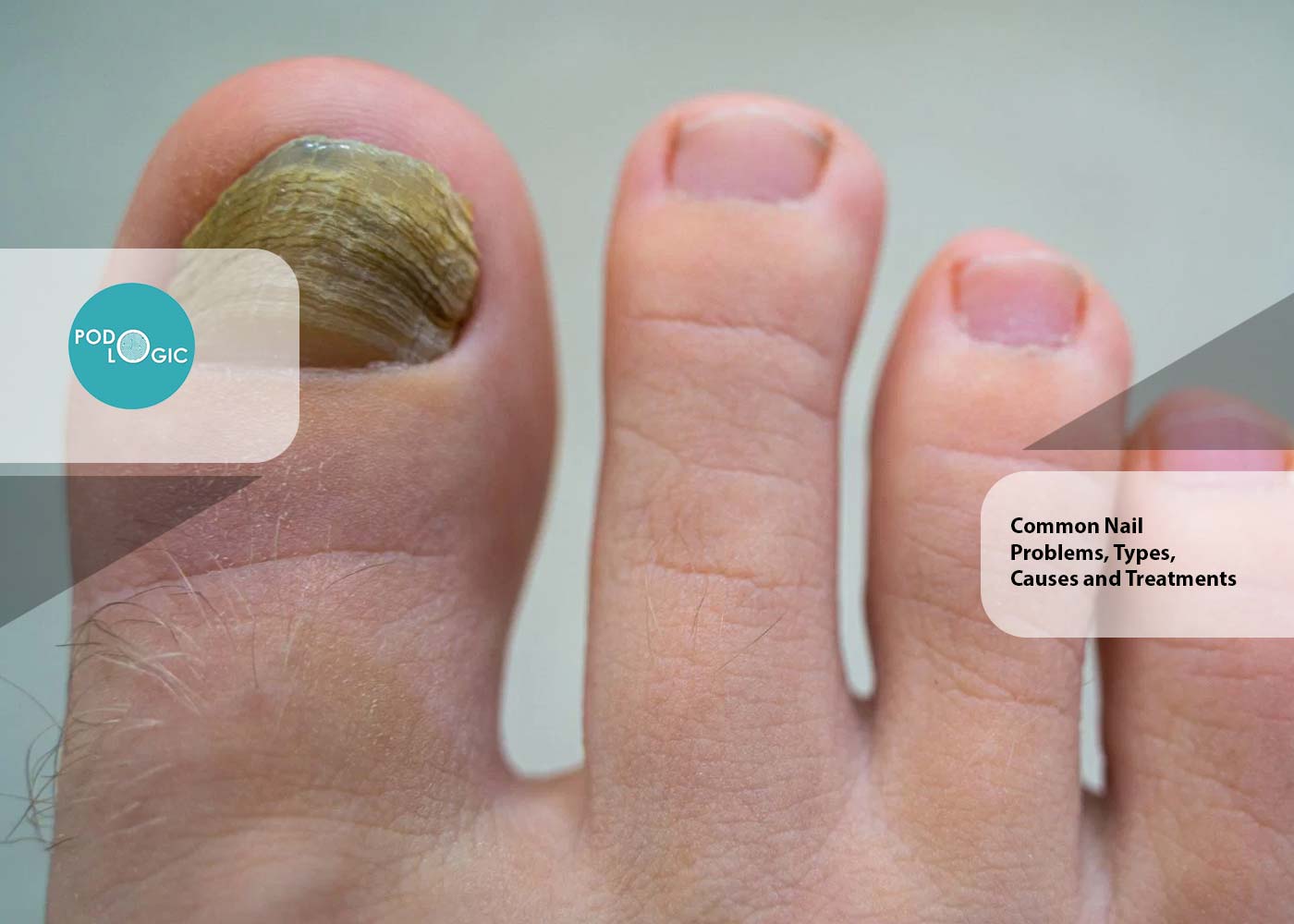
Fungal Nail Infection
A fungal nail infection changes the appearance of the nail
in a way that is hard to miss. The nail becomes thick, discolored, and brittle.
It may turn yellow, white, or brown. In some cases, the nail lifts slightly
from the nail bed underneath.
Fungi thrive in warm, damp conditions. Shared spaces like
gym changing rooms, swimming pools, and communal showers are common places to
pick up a fungal infection. Wearing the same shoes every day without letting
them dry out also creates the kind of environment fungi prefer.
Fungal infections do not clear up on their own. They need
treatment. A nail technician or podologist will identify the type of infection
and recommend the right antifungal product. Treatment takes time because nails
grow slowly, and the new nail needs to grow in fully clear before the infection
is considered resolved. Starting treatment early makes the process faster and
more effective.
Discolored Nails
Nail discoloration covers a wide range of changes. Nails can
turn yellow, white, green, brown, or develop dark streaks. The cause depends on
what type of discoloration you are seeing.
Yellow nails are most often caused by long-term use of dark
nail polish without a base coat. The pigment from the polish soaks into the
nail over time and stains it. This is cosmetic and fades gradually once the
nails are given a break from color.
White spots are extremely common and usually harmless. They
are almost always caused by minor trauma to the nail, such as a knock or bump
you may not even remember. They grow out naturally with the nail and need no
treatment.
Green nails point to a bacterial infection, often from
moisture getting trapped under a nail extension or between a damaged nail and
its bed. This needs to be addressed promptly before it spreads.
Dark streaks running from the base of the nail to the tip
should always be checked by a doctor. In most cases, they are caused by minor
trauma or harmless pigmentation changes, but a professional assessment rules
out anything more serious.
Dry Cuticles and Hangnails
The cuticle is the thin strip of skin at the base of the
nail. It serves as a seal that protects the nail root from bacteria and
moisture. When it dries out, it cracks, peels, and sometimes produces
hangnails, which are small pieces of dry skin that tear away from the side of
the nail.
Pulling or biting hangnails makes things worse. Tearing the
skin creates an open area that can become sore and infected. The correct
approach is to clip them cleanly with a small pair of nail scissors and then
moisturize the area.
Pushing cuticles back too aggressively or cutting them too
much removes the protective barrier the skin is meant to provide. A gentle
approach works better. Soaking the hands in warm water, using a cuticle oil
regularly, and having a professional manicure that includes proper cuticle care
keeps the area healthy without removing what needs to stay.
Nail Ridges
Vertical ridges running from the base of the nail to the tip
are very common, especially as people get older. They are usually harmless and
simply reflect changes in how the nail grows over time.
Horizontal ridges, sometimes called Beau lines, are
different. They run across the width of the nail and often appear after a
period of physical stress, illness, or significant nutritional change. The nail
pauses its normal growth during that period, leaving a visible line.
Neither type of ridge requires urgent treatment, but they do
respond well to gentle buffing and regular moisturizing. A good manicure evens
out the nail surface and supports healthier growth going forward.
Why Getting Help Matters
Nail problems are easy to put off because most of them start
small. A bit of dryness here, a slight discoloration there. But small issues
have a way of getting bigger when they are left alone.
A professional manicure or pedicure is not just about
polish. A trained technician looks at the condition of your nails and skin,
addresses what is there, and gives you guidance on what to do between
appointments. The difference between nails that stay in poor shape and nails
that genuinely improve often comes down to getting the right care at the right
time.
Your nails reflect how well you take care of yourself.
Giving them proper attention is not complicated. It just takes a little more
than you might be giving them right now.
Professional Foot & Nail Care in Dubai and Abu Dhabi
Book cosmetic podology care in a clean, private and relaxing salon environment.