Picture waking up, splashing water on your face, and walking
out the door with eyebrows already in place. No pencil, no powder, no mirror
check before lunch. That is the appeal of permanent makeup, and it explains why
the procedure has moved from a niche service into something offered at studios
in nearly every mid-sized city.
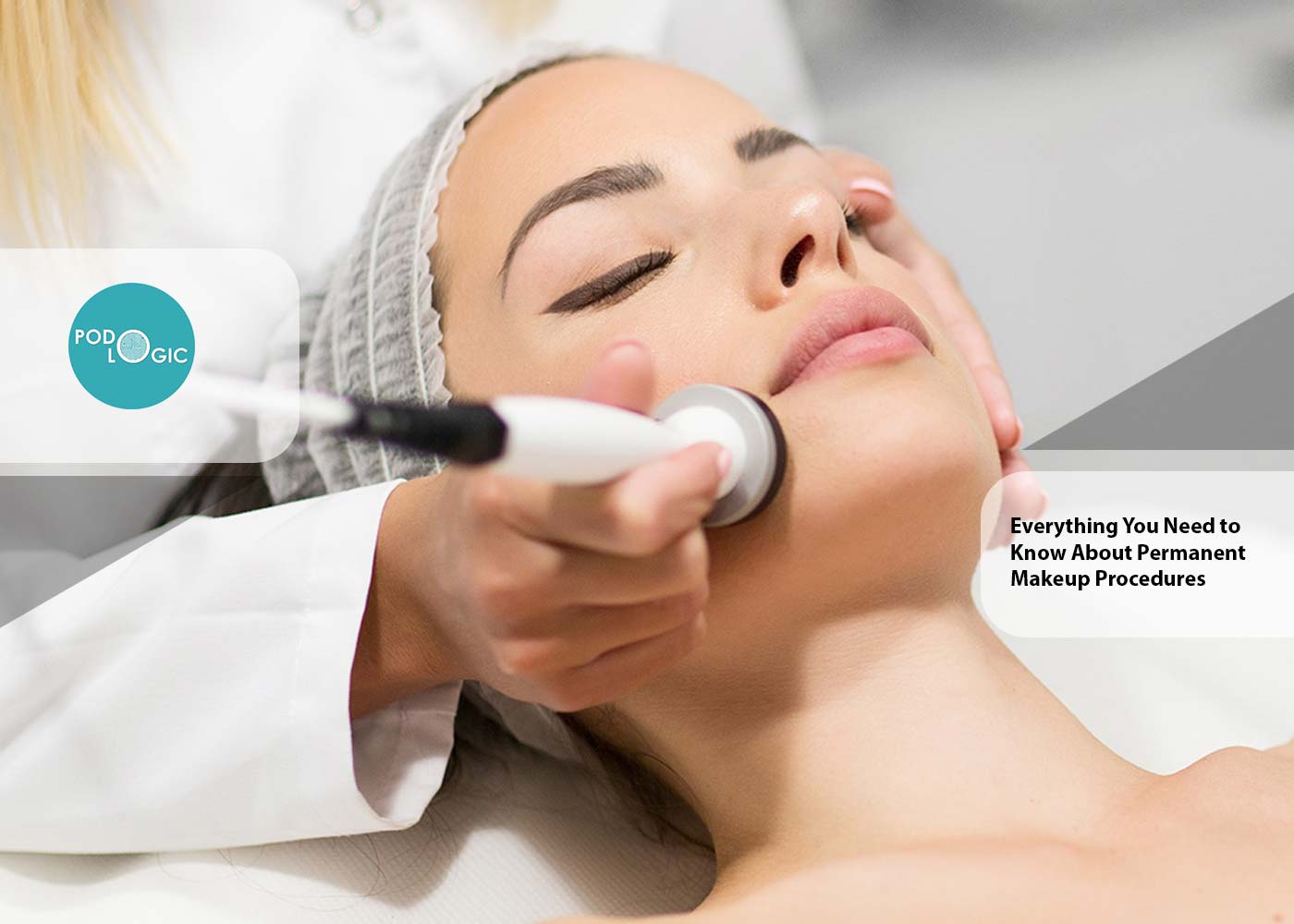
Permanent makeup, sometimes called cosmetic tattooing or
micropigmentation, places pigment into the upper layers of the skin to mimic
the look of brow pencil, eyeliner, lip color, or other beauty staples. The
pigments and tools differ from traditional tattoos, and the results fade over time
rather than staying sharp for life.
The Most Common Procedures
Brows lead the category by a wide margin. Microblading uses
a hand tool with tiny blades to draw hair-like strokes, giving a soft, natural
finish. Powder or ombré brows use a machine to deposit pigment in a shaded
effect, which lasts longer and suits oily skin better. Some artists combine
both methods.
Lip blush adds a wash of color to the lips, often correcting
unevenness or darker borders. The result looks like a stained tint rather than lipstick.
Lip liner can be added for sharper definition.
Eyeliner ranges from a thin lash enhancement, where pigment
is tucked between the lashes, to a bolder winged line. The lash enhancement
option is popular with people who want their eyes to look more defined without
obvious makeup.
Areola restoration helps people who have had breast surgery,
often after cancer treatment. Skilled artists use shading techniques to
recreate a realistic appearance, and many work with surgeons or charities to
make the service available at low cost.
Scalp micropigmentation creates the look of a closely shaved
head or fuller hair density. It is used for thinning hair, alopecia, and scar
coverage.
What Happens During the Appointment?
A first session usually takes two to three hours. The artist
starts by mapping the shape, drawing it on with a pencil, and adjusting until
you both agree. This part matters more than the actual tattooing, since the
shape sets everything that follows.
Numbing cream goes on next. Most clients say the sensation
feels like light scratching or a cat licking the area. Sensitive zones such as
the lips can feel stronger, but the numbing usually keeps things manageable.
The pigment goes into the skin in layers. Your artist will
check the color against your features as they work, since pigment looks darker
when first applied than it will once the skin heals.
A touch-up appointment six to ten weeks later finishes the
job. Skin heals unevenly, and some pigment fades during recovery, so this
second visit fills in gaps and adjusts the tone. Treat the first session as a
foundation rather than a finished result.
Healing and Aftercare
The first ten days shape your final outcome. Expect the area
to look darker and sharper than you want for the first few days, then flake as
the skin renews itself. Around day seven, the color often appears to have
vanished. It returns over the following weeks as deeper layers settle.
Aftercare instructions vary by artist, but common rules
include keeping the area dry, avoiding makeup over it, skipping the gym,
staying out of pools and saunas, and using only the balm your artist provides.
Sun exposure during healing fades pigment quickly, so a hat helps.
Pain, Cost and How Long It Lasts
Pain is mild for most people. Brows tend to be the easiest.
Lips feel more intense because the tissue is sensitive and swells more.
Eyeliner sits between the two.
Pricing depends heavily on location and the artist's
experience. In larger cities, brows often run between 400 and 900 US dollars,
with the touch-up included in that price. Lip blush usually costs slightly
more. Scalp work is priced by the size of the area and may require multiple
sessions.
Results last anywhere from one to three years before a
refresh is needed. Oily skin, sun exposure, exfoliating skincare, and pigment
color all affect how quickly the color fades. Lighter shades fade faster than
dark ones.
Choosing an Artist
Skill varies a lot in this field, and the work sits on your
face for years. Take your time.
Look at healed photos rather than fresh ones. Anything looks
crisp right after the appointment. The real test is what the brows or lips look
like a month or a year later. Reputable artists post these on their pages and
answer questions about their training openly.
Check that the studio follows local hygiene rules, uses
single-use needles, and keeps a clean treatment room. Ask about the pigments
they use and whether you can see a list of ingredients.
Trust your gut during the consultation. An artist who rushes
the shape mapping, dismisses your input, or pushes you toward a thicker or
trendier look than you want is not the right person for you.
Who Should Wait or Skip It
Pregnancy and breastfeeding are common reasons to delay.
People taking blood thinners, those with active skin conditions in the area,
and anyone with a history of keloid scarring should talk to a doctor first.
Recent Botox or fillers can affect the result, so most artists ask you to wait
a few weeks after those treatments.
Allergic reactions to pigments are rare but possible. A
patch test is reasonable to request if you have sensitive skin or known
allergies.
Removal is harder than getting the work in the first place.
Saline removal and laser treatment exist, but both take multiple sessions and
can leave the skin different from how it started. Choose your artist carefully
so removal does not enter the conversation later.
Permanent makeup gives back time and confidence to the
people who choose it well. The trick is treating it as the small cosmetic
procedure it actually is, not a quick beauty fix, and finding someone whose
work you would still admire two years from now.
Professional Foot & Nail Care in Dubai and Abu Dhabi
Book cosmetic podology care in a clean, private and relaxing salon environment.