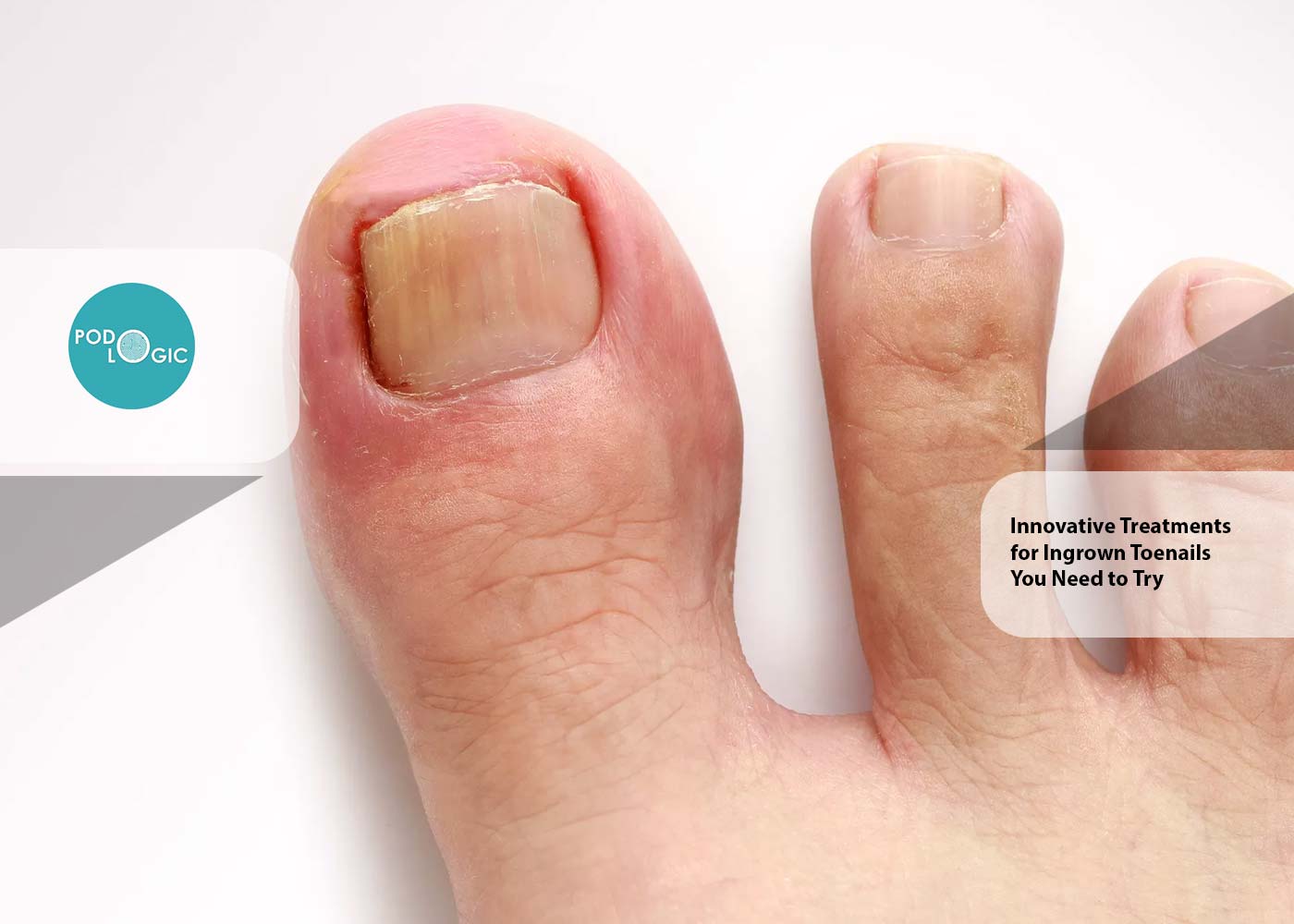
An ingrown toenail starts as a small pinch on the side of
the big toe and turns into a throbbing, red, sometimes pus-filled mess within a
week. Anyone who has lived through one knows the feeling of a bedsheet brushing
the toe at night and sending a jolt through the whole foot. The condition is
common, easy to misjudge at home, and far more treatable now than it was even
ten years ago.
The old image of ingrown toenail surgery involved heavy
bandages, weeks off your feet, and a recovery most people put off until they
could not walk. Modern treatments look very different. Many take less than an
hour, leave only a small dressing, and let you walk out of the clinic in normal
shoes.
Why Toenails Grow Inward
A toenail becomes ingrown when its edge grows into the
surrounding skin instead of over it. The skin reacts the way it would to any
foreign object, turning red, swelling, and sometimes producing fluid or pus.
Causes range from cutting nails too short or too curved at
the corners, to wearing tight shoes, stubbing the toe, or simply having a nail
shape that curves more than usual. Some people have a genetic tendency toward
involuted nails, which curl down into the skin no matter how carefully they are
trimmed. Sweaty feet, fungal infections, and certain sports add to the risk.
Knowing the cause matters because it shapes the treatment. A
one-time injury responds to different care than a chronic curl that has come
back four times.
When Home Care Is Enough
Mild cases caught early often settle with simple steps.
Soaking the foot in warm salty water two or three times a day softens the skin
and reduces swelling. Gently lifting the nail edge with a small piece of dental
floss or cotton, replaced daily, encourages it to grow over the skin rather
than into it. Loose-fitting shoes give the toe room to recover.
This works for first episodes that have not become infected.
If pain keeps you awake, redness spreads beyond the nail fold, or pus appears,
home care has reached its limit. Pushing on past that point invites a deeper
infection.
Conservative Clinical Options
A podiatrist has tools and training that change what is
possible without surgery. The first visit often involves a careful trim of the
offending nail spike, removal of any pus, and a dressing soaked in antiseptic.
Relief can be immediate.
Nail bracing is worth knowing about. A small metal or
plastic brace is glued to the top of the nail and gently lifts the curled edges
over weeks or months. It hurts less than expected, looks like a thin wire
across the nail, and works well for people whose nails curl from shape rather
than injury. Several brace systems exist, and a trained podiatrist will pick
one that fits your nail.
Gutter splinting uses a small section of soft tubing slipped
under the ingrown edge to lift the nail away from the skin. The splint stays in
place for several weeks while the nail grows out. Combined with antibiotics if
needed, it often resolves the problem without surgery.
Custom orthotics or footwear advice can prevent future
episodes if pressure on the toe is part of the cause. Runners, dancers, and
people who wear stiff work boots often benefit from this step even after the
nail itself is fixed.
Partial Nail Avulsion with Phenol
When the same toe keeps flaring up, the most reliable fix is
a partial nail avulsion with phenol, also called a wedge resection. This is the
modern standard and works for most chronic cases.
The procedure takes about 45 minutes. Local anaesthetic
numbs the toe completely. The podiatrist removes a thin strip along the
offending side of the nail down to the root. A small amount of phenol, a
chemical that destroys the cells that make new nail in that strip, is applied
for a few minutes. The treated section will not grow back. The rest of the nail
looks normal once healing finishes.
You walk out in a sandal, take painkillers for a day or two,
and return to work within 24 to 48 hours for office jobs. Daily salt water
soaks and dressing changes for two to three weeks complete the recovery.
Success rates sit above 95 percent in good hands, which makes phenol avulsion
the option most podiatrists recommend for repeat cases.
Laser Treatment for Ingrown Nails
Laser-based treatments have entered the picture more
recently. Two main approaches exist. The first uses a laser instead of phenol
to destroy the nail-growing cells after the strip is removed, with similar
results and slightly less chemical exposure. The second targets the inflamed
soft tissue and any fungal involvement that may be feeding the problem.
Laser treatment is useful for people who react badly to
phenol, have nail fungus alongside the ingrown edge, or want a slightly faster
recovery. Cost is higher and availability varies, so this option is worth
asking about rather than expecting.
Newer Surgical Refinements
Vandenbos surgery removes a section of the soft tissue
beside the nail rather than the nail itself. The reasoning is that the real problem
in some cases is too much skin pushing against a normal nail, not an abnormal
nail growing into healthy skin. Recovery takes longer than phenol avulsion, but
the cosmetic result is excellent and recurrence is rare. It is offered
selectively, often for younger patients or those who want to keep the full nail
width.
Radiofrequency ablation of the nail matrix is another option
in some clinics. The principle matches phenol avulsion but uses heat to destroy
the nail-growing cells. Healing tends to be quick and clean.
Choosing the Right Approach
Match the treatment to the pattern. A first episode with no
infection often needs only soaks and trimming. A repeat case in the same toe
deserves a real fix rather than another round of patching. Bracing suits curled
nails on otherwise healthy skin. Phenol avulsion suits chronic problems and
gives the best long-term odds. Laser and Vandenbos options serve specific
situations and the right candidate.
A trained podiatrist who explains the options without
rushing is the person you want. Walk away from anyone who pushes a single
approach without examining the toe carefully or asking about your history.
The right treatment, picked once, can end a problem that has
been coming back for years. Feet stop being something you flinch around and go
back to being something you barely think about, which is exactly how it should
be.
Professional Foot & Nail Care in Dubai and Abu Dhabi
Book cosmetic podology care in a clean, private and relaxing salon environment.