The beauty and wellness field in Nigeria offers many career
options for people who enjoy helping others look and feel good. From nail care
and pedicure services to salon work, skin care, beauty therapy, and foot care,
there are many ways to build a steady source of income.
You do not always need a university degree to start a beauty
career. What matters most is good training, strong practical skills, clean work
habits, and the ability to treat clients well. Many people start with one
service, gain skill, build a client base, and add more services as their income
grows.
If you are thinking about joining the beauty industry in
Nigeria, it helps to know which career paths are open to you and what employers
expect.
Why Beauty and Wellness Careers Are Growing in Nigeria
Beauty services are now part of daily life for many Nigerians.
People visit salons for hair care, nail care, pedicure treatments, skin care,
makeup, and other personal care services.
Demand comes from many groups. Working adults want to look
neat for the office. Brides and wedding guests need beauty services. Students
visit salons for nail and hair care. Men are also paying more attention to
grooming, skin care, and foot care.
This creates work for trained beauty staff in salons, spas,
hotels, beauty stores, wellness centres, and private studios.
Some workers also provide home services. Others rent a small
space or work from home after gaining enough skill and trust from clients.
The field gives you more than one way to earn. You can work
for an employer, work with a salon on a shared income plan, or run your own
service.
Nail Care Careers
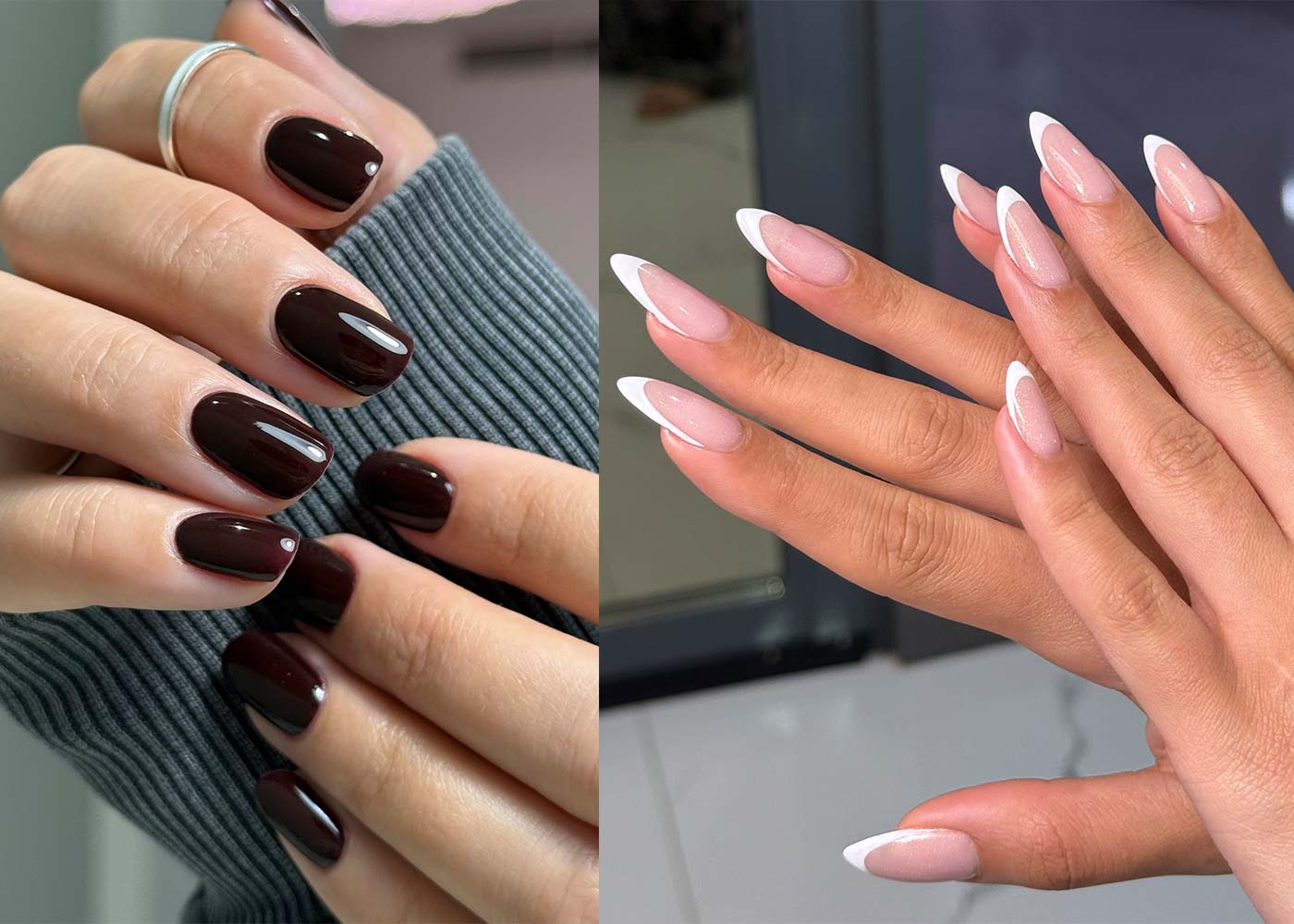
Nail care is one of the most common ways to enter the beauty
field. A nail technician works on the hands and nails of clients. The job can
include nail cleaning, shaping, polish, nail art, gel work, and false nail
fitting.
Good nail work requires more than knowing how to apply
colour. You need to understand nail health and proper tool care.
A trained nail technician should know how to prepare the
nail, use products in a safe way, clean tools after each client, and notice
signs of nail problems that may need medical care.
Creative skill is also useful. Many clients want nail styles
based on photos they have seen online. You should be able to copy simple
designs and suggest colours or styles that suit the client.
Practice is very important. The more people you work on
during training, the more control and speed you gain.
Pedicure and Foot Care Careers
Pedicure services focus on cleaning and caring for the feet
and toenails. This can include soaking the feet, trimming nails, removing rough
skin, cleaning around the nails, applying polish, and giving a basic foot
massage.
Foot care requires close attention to hygiene. The feet can
carry fungal or skin problems. Tools that are not cleaned well can spread
infection from one person to another.
A good pedicure worker should understand how to clean and
prepare equipment before and after each client. You should also know when not
to continue a service.
For example, a client may have an open wound, major
swelling, severe nail damage, or another problem that needs care from a health
worker. Beauty staff should never try to treat a health issue that is outside
their training.
People with strong pedicure skills may work in nail studios,
spas, beauty salons, hotels, or wellness centres.
Some also focus mainly on foot care. This can be a useful
service for older adults, busy workers, and people who spend long hours
standing.
Salon Career Options
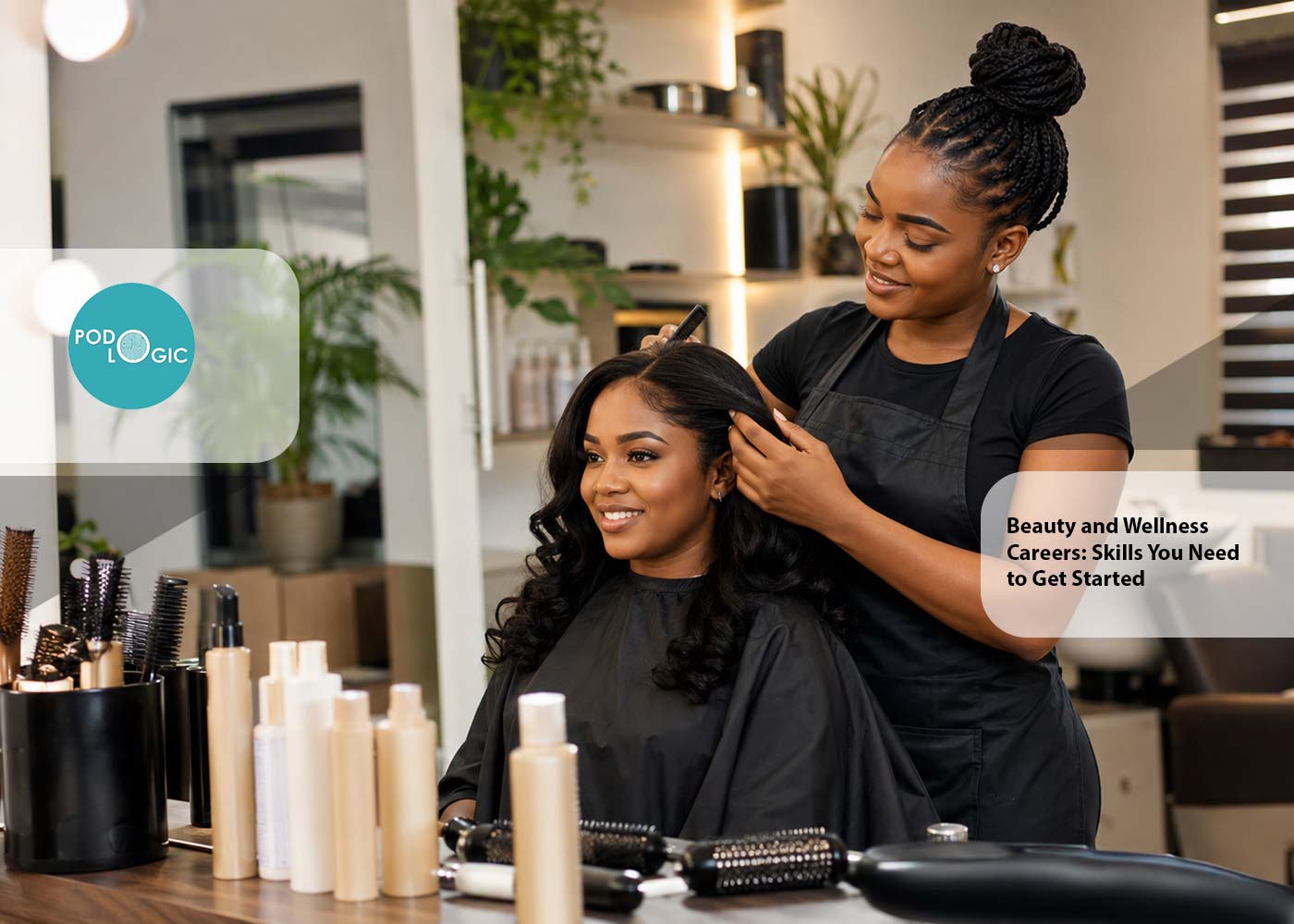
A salon often needs several types of workers. This makes
salons a good place to look for your first beauty job.
Common roles can include nail technicians, pedicure staff,
hair stylists, barbers, makeup artists, salon assistants, beauty therapists,
reception staff, and salon managers.
If you are new, you may begin as an assistant while learning
from more skilled workers. This can help you understand how a real salon works.
You learn how appointments are handled, how clients are
welcomed, how tools are kept clean, how products are stored, and how staff
manage busy days.
Salon work also teaches an important skill that is often
missed in training: client care.
Clients remember how you treat them. A person may like your
nail work, but poor manners can stop that client from coming back. Speak
politely, listen carefully, respect personal space, and explain what you are doing
when needed.
Beauty Therapy and Wellness Careers
Beauty and wellness work can go beyond nails and hair.
Beauty therapists may offer facials, basic skin care, body
care, waxing, massage, and other salon or spa services. The services you can
provide will depend on your training.
Some workers choose one area and become very good at it.
Others learn several services so they can serve more clients.
For example, someone may begin with pedicure training and
later add manicure, nail art, simple facial care, and massage.
Having more skills can make you useful to an employer. It
can also help if you plan to work for yourself.
Still, quality matters more than the number of services on
your list. It is better to perform three services well than offer ten services
with poor results.
Skills You Need to Start a Beauty Career
Practical skill is the base of most beauty careers. Clients
pay for results, so your work must be neat, safe, and consistent.
You should learn proper hygiene. Wash your hands often.
Clean your work area. Use clean towels. Disinfect tools. Dispose of single use
items after each client.
Time management also matters. Clients do not want a simple
nail service to take several hours because the worker is not prepared.
Communication is another key skill. Ask clients what they
want before you start. If a request is not safe or cannot be done well, explain
this in a clear and polite way.
You also need patience. Some clients may change their minds
or ask many questions. Staying calm helps you keep a good work setting.
Basic sales skill can help as well. You may need to explain
a service, suggest a care product, or tell a client when to return for another
session. The goal is to be useful, not to pressure people into spending money.
Why Training Matters
Beauty work is practical, so training should include real
practice.
Look for a course that gives you time to use tools, work
with products, and serve real or practice clients. Watching someone perform a
service is not enough.
Your course should also cover hygiene, tool safety, client
care, and common mistakes.
Before paying for training, ask what the course covers. Find
out how long it lasts and whether you will receive practical sessions. Ask if
you need to buy your own tools.
A certificate can help when applying for some jobs, but
employers will often want to see what you can do. A salon owner may ask you to
perform a nail, pedicure, hair, or beauty service before offering you a role.
This is why practice after training is so important.
Build a Simple Work Portfolio
A portfolio helps employers and clients see your skill.
Take clear photos of your work. You can photograph nail
sets, pedicure results, makeup, hairstyles, or other services you have learned.
Use good light and keep the background clean. You do not
need an expensive camera. A phone with a clear camera can work well.
Ask for permission before posting photos of clients.
You can keep your best work on your phone or create a simple
social media page. When you apply for a salon job, you can show the owner what
you have done.
Keep improving the portfolio as your skill gets better.
How to Find Beauty and Wellness Jobs in Nigeria
Do not depend on one way of finding work.
Start by checking salons, spas, hotels, gyms, wellness
centres, nail studios, and beauty shops in your area. Some small businesses do
not post every vacancy online. Walking in with a simple CV and photos of your
work can help you find roles that are not widely advertised.
Talk to people in the field as well. Trainers often hear
when salons need workers. Former classmates may also know about openings.
Social media can help you find salon pages that announce job
vacancies. Follow beauty businesses in your city and check their posts often.
You can also use job sites to search for salon, beauty, spa,
wellness, nail care, and customer service roles. Checking Latest Jobs can help you
discover current job openings and other work options in Nigeria.
Use several search terms instead of searching for only
“beauty jobs.†Try terms such as nail technician, salon assistant, beauty
therapist, spa therapist, pedicure specialist, receptionist, makeup artist,
hair stylist, and salon manager.
What Employers Look For
Beauty employers want workers they can trust with clients.
Skill is important, but attitude matters too. Arrive on
time. Keep your work area neat. Follow hygiene rules. Speak well to clients.
Take care of salon tools and products.
Employers also value workers who are willing to learn.
Beauty styles change often, and clients may ask for services that were not common
when you first trained.
You should keep practising and learning new methods while
maintaining safe work habits.
Reliability can also help you keep a job. If clients start
asking for you by name, you become more valuable to the salon.
Starting Your Own Beauty Service
You do not have to open a large salon to work for yourself.
Some beauty workers begin by offering home services. Others
work from a small room or shared salon space.
Start with the tools you need for the services you can
perform well. Keep records of your costs so you know how much each service
truly costs you.
Set fair prices based on your skill, product costs,
location, and time.
Good hygiene should remain a top concern even if you work
alone. Clean tools, fresh towels, safe products, and a neat work space help
clients trust you.
Do not rush to copy every service offered by larger salons.
Build a good name around a few services first.
Build a Career One Skill at a Time
A beauty and wellness career in Nigeria can begin with a
short practical course, but long term success comes from skill, care, and
steady learning.
Choose an area that interests you, such as nail care,
pedicure, hair, makeup, skin care, spa work, or foot care. Get proper training
and practise until your work is neat and safe.
Build a small portfolio. Treat every client with respect.
Apply to salons and wellness businesses, ask people in the field about
openings, and check job sites often.
Your first role may be as an assistant or junior worker.
That first job gives you a chance to gain speed, learn from others, meet
clients, and understand how the beauty business works.
With strong skills and good work habits, you can move into
better salon roles, gain private clients, or build your own beauty service over
time.
Professional Foot & Nail Care in Dubai and Abu Dhabi
Book cosmetic podology care in a clean, private and relaxing salon environment.