Here is the short answer. Nail slugging is an optional
moisturising step for ordinary dryness. If your cuticles already feel
comfortable with regular hand cream, you can skip it. If dryness lingers,
petroleum jelly on its own may be all you need. And if the skin around your
nails is itchy, swollen, blistered or painful, more products are not the
answer. That needs an assessment.
What nail slugging actually means
Nail slugging is a beauty-trend name for putting a moisturising
oil or product around the nails, then covering it with an occlusive balm or
ointment. Occlusive simply means it forms a water-resistant layer on the skin
surface, which slows moisture loss. Petroleum jelly, mineral oil and
dimethicone are common examples.
The trend makes it sound like you need three separate
bottles. You do not. A good hand cream can already combine ceramides,
humectants (ingredients such as glycerin that help hold water) and occlusives.
So the choice between cuticle oil and hand cream is less clear-cut than it
seems, because the categories overlap.
The full layering routine is a comfort choice, not a
requirement.
Four questions that decide it
Does regular moisturising already control your dryness? If
your cuticles feel fine, you have your answer. Hand cream after each
handwashing, applied while the skin is still damp, is the standard advice for
dry hands.
Is the skin only dry, or also inflamed? Dry skin feels tight
or looks flaky. Inflamed skin is red, swollen, hot or sore. Slugging suits the
first, not the second.
Is polish about to go on? Oily products and fresh polish do
not mix, which is covered below.
Can you stand greasy products? Ointments are more occlusive
than creams, and creams more than lotions, but some people find ointments too
greasy. If you hate residue on your keyboard and phone, a heavy routine will
not last.
Three choices compared
|
Choice |
Works well when |
Trade-off |
|
Hand cream alone |
Dryness is mild or you moisturise regularly |
May feel too light if dryness persists |
|
Petroleum jelly alone |
Dryness continues despite cream |
Greasy, so some people dislike it |
|
Full slugging (oil, then occlusive) |
You enjoy the ritual and tolerate greasiness |
More mess, more expense, more ingredients touching your skin |
Typical situations and what to do
Your cuticles are comfortable and you use cream regularly.
Carry on. Adding steps gives you more mess and more ingredient exposure for no
clear gain.
Your cuticles are dry, but you moisturise only now and then.
Start with cream after washing your hands, while they are still damp. Many
people jump to slugging when consistency was the missing piece.
Dryness persists despite regular cream. Try a small amount
of petroleum jelly, either alone on slightly damp skin or over a cream you
already tolerate. You can also wear cotton gloves overnight when your hands
feel very dry, but this is an occasional extra, not a nightly rule.
You have a manicure coming up. Leave oily aftercare until
the polish is dry or the gel is fully cured.
You notice itching, swelling or blistering after a manicure.
Stop adding products and get it assessed. Nail cosmetics can cause allergic or
irritant reactions that appear within hours or after a day or two, and they can
show up on the fingers, eyelids, mouth or neck. A clinician can arrange patch
testing to find the cause.
The nail fold is painful, hot, swollen or producing pus. See
a doctor. Do not try slugging, oils or home soaks on a suspected infection.
Your nails themselves are changing. See a dermatologist, as
covered below.
Polish changes the timing
This part is easy to miss. Gel and regular polish need
clean, oil-free nails before they are applied. OPI's guidance for its Infinite
Shine system calls for oil-free nails before coating and cuticle oil only after
the manicure is dry. The same brand says cuticle oil is fine on fully cured gel
and will not break down the finish.
That guidance covers cuticle oil. It does not show that
every ointment is safe with every gel, acrylic, press-on adhesive or damaged
coating. If you wear builder gel or extensions, check with your technician
before putting petroleum jelly near them. Our guide to choosing a gel manicure salon covers what to ask.
Between manicures, the American Academy of Dermatology
suggests petroleum jelly on nails and cuticles several times a day and, for
frequent gel wearers, a polish-free break of one to two weeks or longer. After
removing polish, moisturise with cream, because most removers contain chemicals
that dry the nails. Never pick off lifting gel.
Habits that matter more than products
Repeated water exposure worsens dry hands, so wear
protective gloves for washing dishes. Choose fragrance-free products if your
skin is dry and sensitive. Labels that say unscented can still contain
ingredients that mask fragrance and irritate.
Do not cut or force back your cuticles to help products
absorb. That raises infection risk. Biting nails, picking the skin around them
and manicure injuries can also break down the barrier of the nail fold, the
skin that frames the nail, and that can lead to paronychia, which is
inflammation around a nail.
Two smaller points. If you use a pot, take product out with
a clean spoon or spatula to reduce contamination. And if you are allergic to
lanolin, check labels for it and for related names such as wool alcohols. If a
moisturiser seems to cause a rash, stop using it.
When to stop and get checked
Dryness that continues despite proper moisturising and
gentle care deserves a dermatologist, because an underlying condition may be
involved. If you use a prescribed steroid or other skin treatment, ask your
doctor which product goes on first and how long to wait between them.
See a dermatologist for:
- a nail lifting away from its bed
- a new or changing dark streak, which is not always
melanoma but always needs checking
- greenish-black colour
- redness and swelling around a nail
- yellow nails that also thicken and stop growing
Please do not guess that colour or thickness means fungus,
and do not assume that long-lasting inflammation around a nail is fungal.
Chronic nail-fold inflammation is often linked to dermatitis and repeated wet
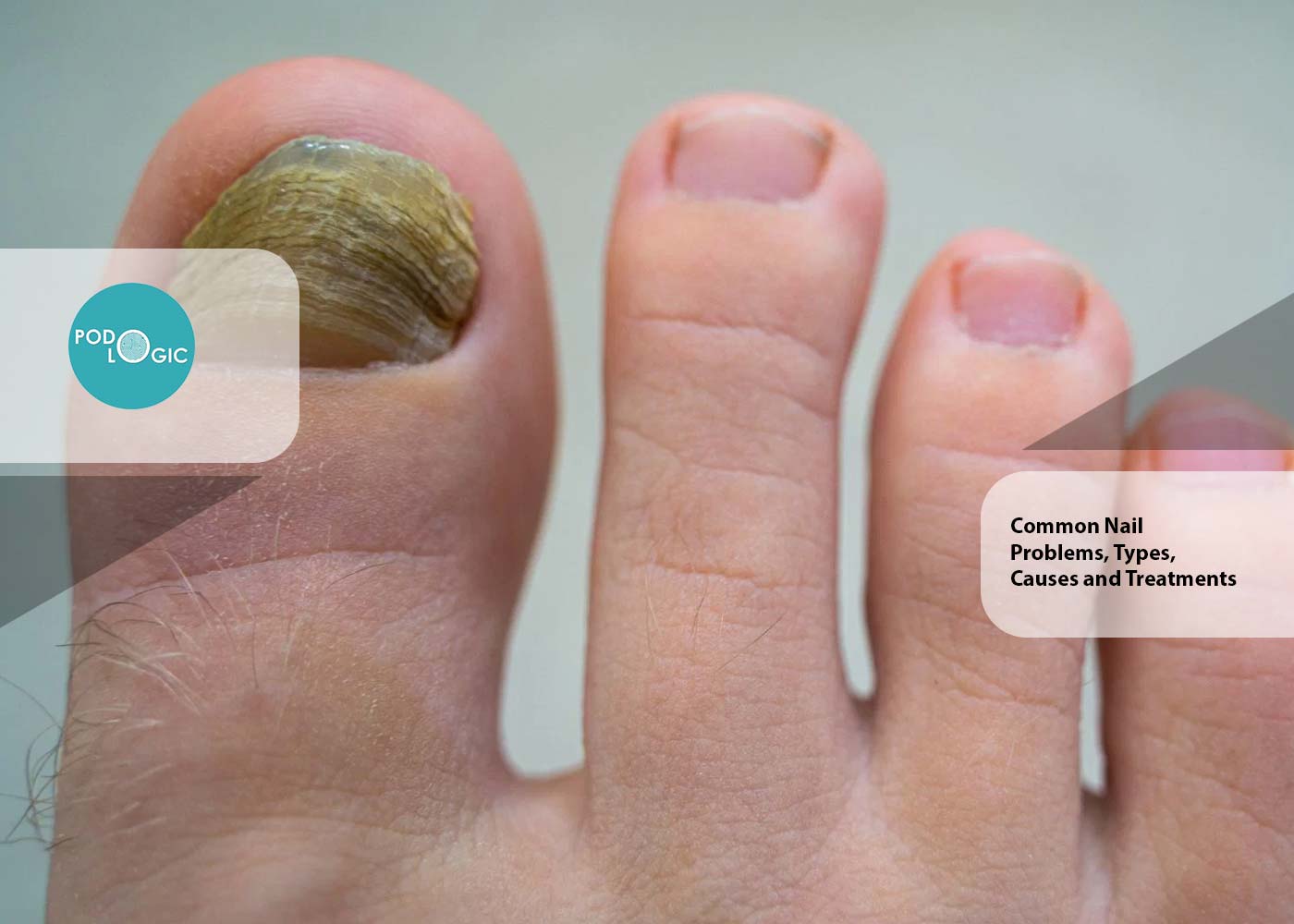
work. Our overview of common nail problems can help you describe what you see, but it is not a
diagnosis.
Seek urgent reassessment of a nail-fold infection if you
develop a fever, feel generally unwell, see redness or swelling spread, or find
it hard to bend a finger. People with diabetes should show any dry, cracked
feet, nail changes, sores or loss of sensation to a doctor or podiatrist
instead of trying a home routine.
The cost of guessing wrong
Layering when you do not need it costs you money, adds mess
and exposes your skin to more ingredients. Under-moisturising leaves your
cuticles uncomfortable and prone to snagging. The bigger risk is treating
inflammation or nail changes as plain dryness, because that can delay care you
actually need. Start simple, and let your skin tell you whether to add more.
Professional Foot & Nail Care in Dubai and Abu Dhabi
Book cosmetic podology care in a clean, private and relaxing salon environment.